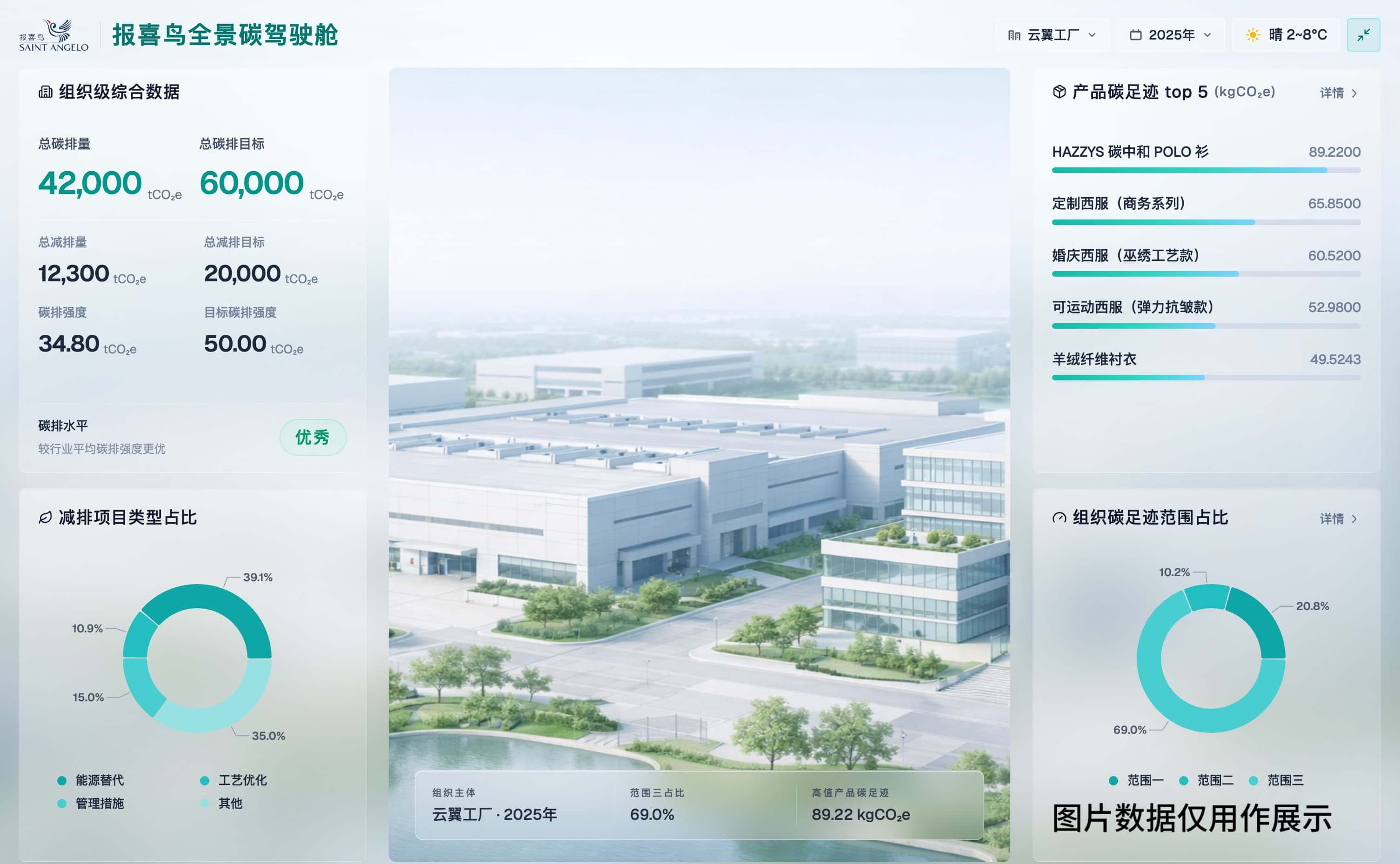
Incorporating sustainable development into BXN’s long-term strategy, embedding ESG principles across the entire decision-making and operational processes, and building a long-term value creation system.
BXN has established a sustainability governance framework led by the Sustainability Committee, creating a closed-loop mechanism encompassing decision-making, coordination, execution, and feedback.
Guided by the “dual carbon” goals, BXN advances digitalization and integrated systems to build a future-oriented sustainable development pathway.
Building trust through responsibility and
creating shared value with stakeholders
Driving Green Manufacturing
for a Low-Carbon Future
Enhancing governance systems to
safeguard stable development
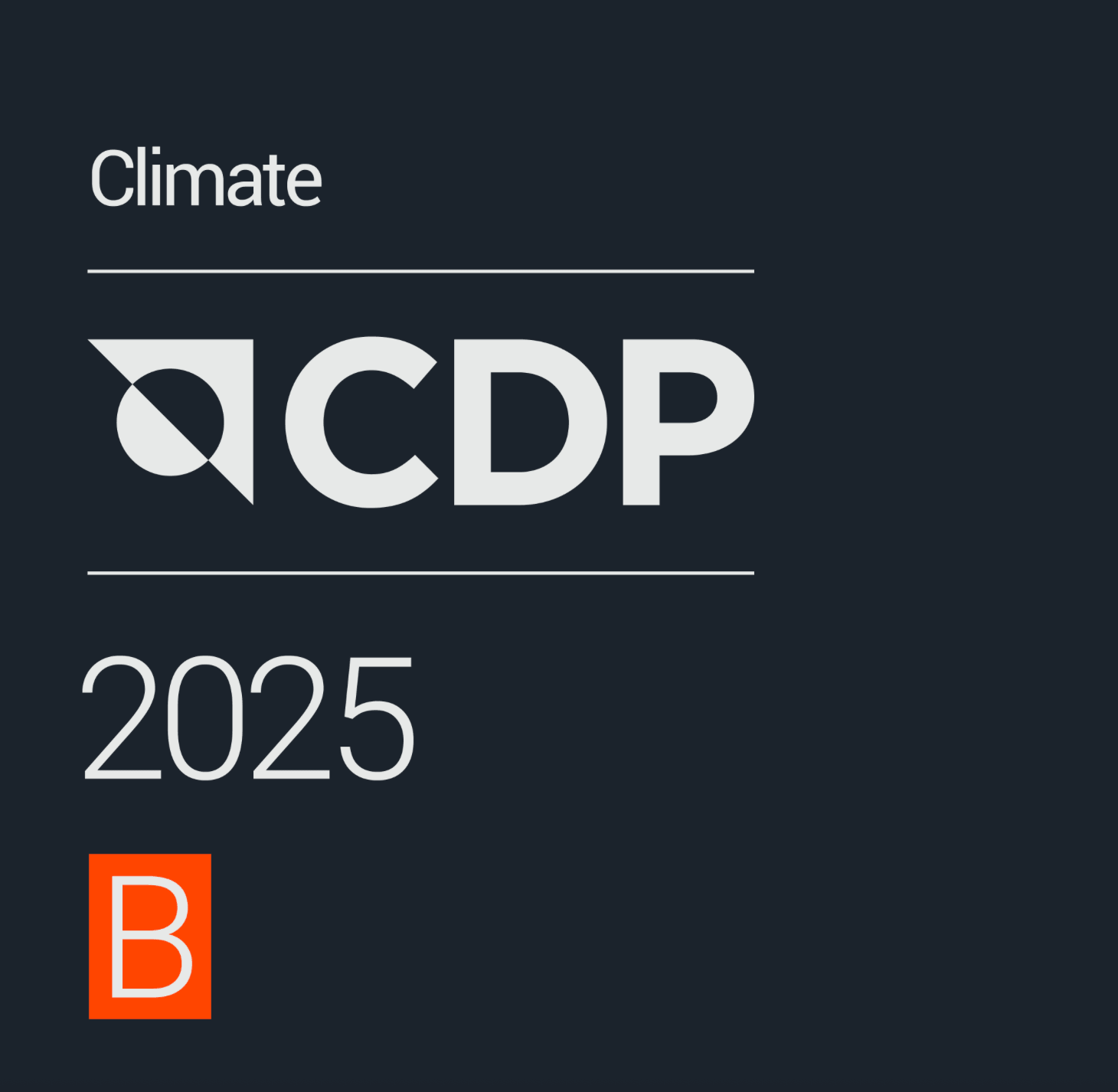
By actively responding to the CDP Climate Change questionnaire, BXN achieved a B rating, placing it at an upper-mid level within the global textile and apparel industry and above the domestic industry average.
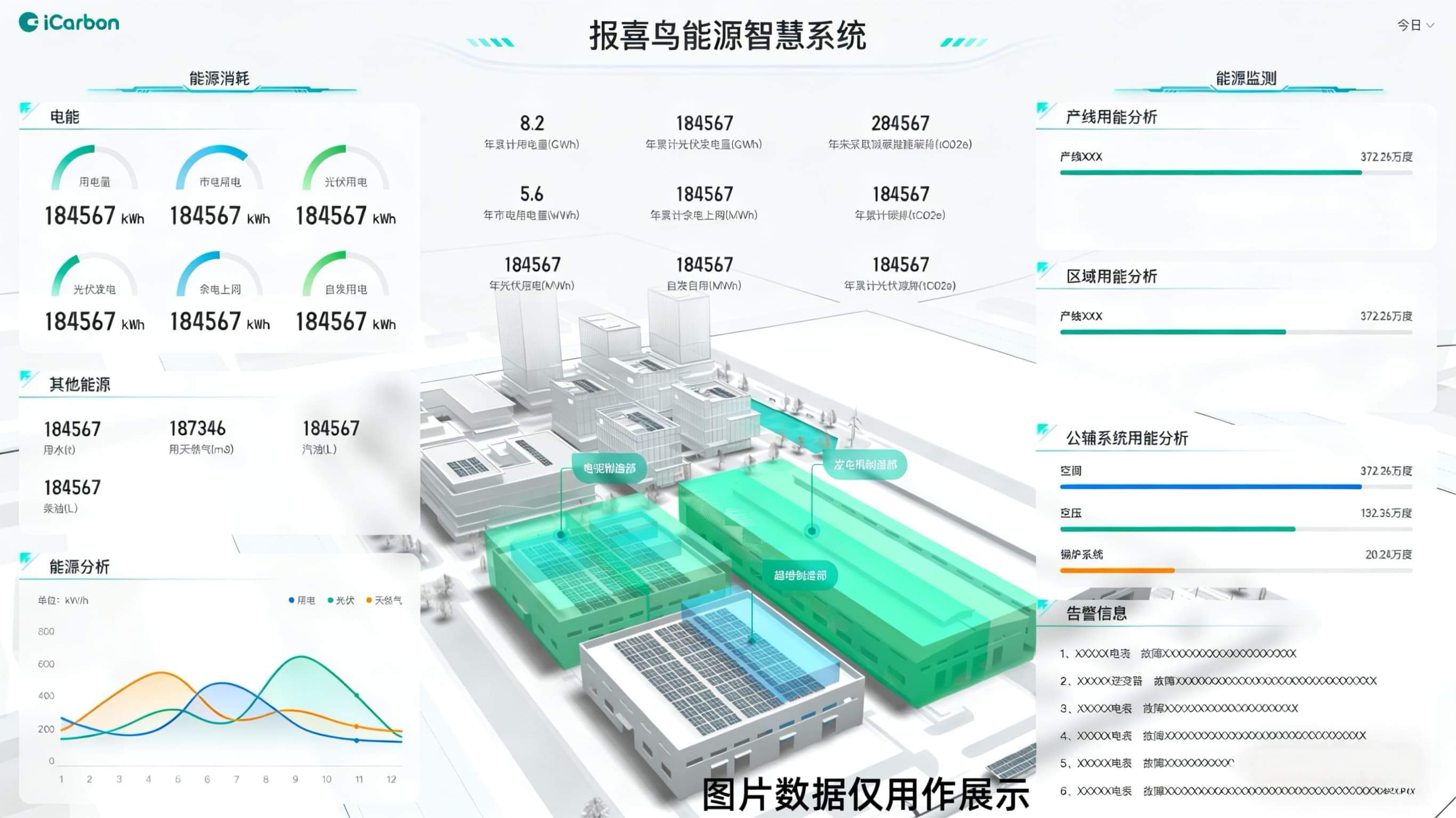
Leveraging the Group’s intelligent manufacturing facilities, three core sustainability use cases have been successfully implemented:
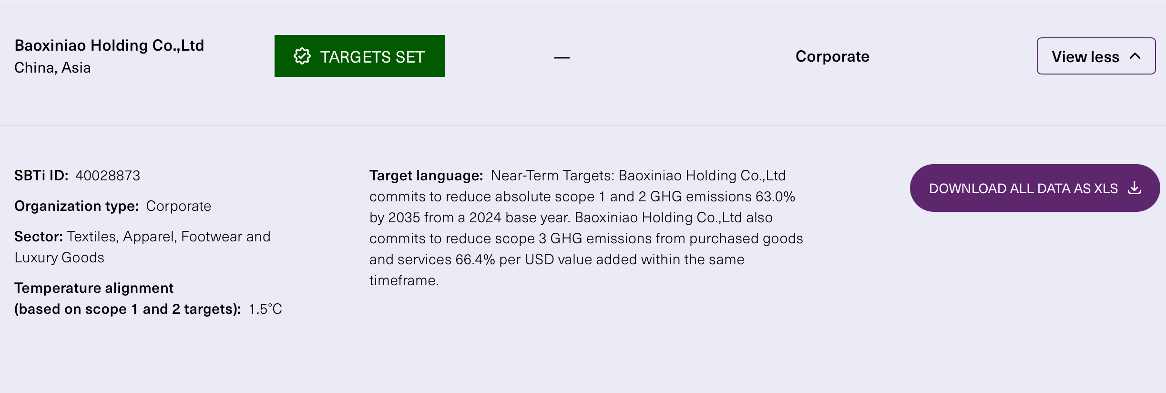
BXN has formally committed to the Science Based Targets initiative (SBTi) and is currently refining its mid- to long-term emission reduction pathways in alignment with SBTi standards.
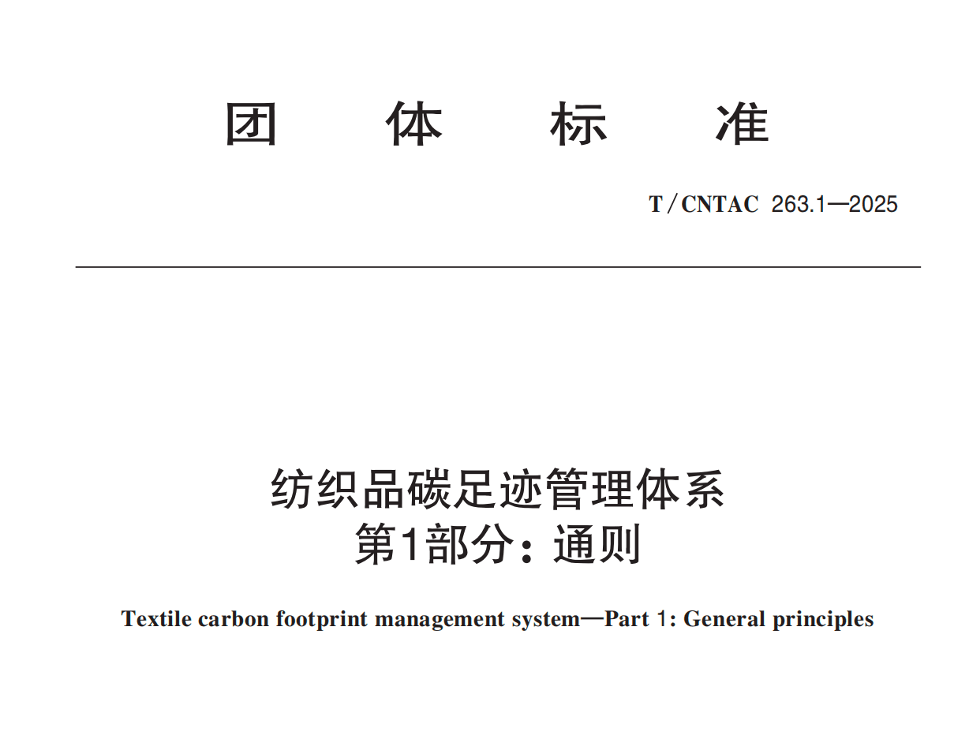
Playing a leading role in the development of several key industry standards, including "Carbon Footprint Management System," "Carbon-Neutral Factory (Revised Edition)," and "Digital Product Passport".
Covering key stages including supply chain procurement, manufacturing, logistics, and retail operations, systematically mapping energy consumption (electricity, steam, fuel, etc.) and greenhouse gas emissions (Scope 1, 2, and 3).